

Selecting valves for chemical wastewater treatment is never a simple buy-and-install process. Instead, it requires understanding the medium, anticipating corrosion risks, and matching valve functionality to the process flow. With corrosive chemicals, suspended solids, sludge, and fluctuating operational conditions, chemical wastewater systems put valves under some of the harshest challenges in industrial applications.
What Makes Chemical Wastewater Unique?
Chemical wastewater differs from domestic sewage in almost every dimension—composition, corrosiveness, temperature, and treatment requirements. Understanding the medium is the foundation of proper valve selection.
Chemical wastewater usually contains:
- corrosive components such as acids, alkalis, or solvents
- suspended solids and sludge
- fluctuating temperatures and pressures
- toxic or hazardous chemicals that must not leak
These characteristics directly influence how valves are chosen.
1.Corrosion Is the First Enemy
Chemical wastewater can aggressively attack metals. This makes stainless steel, duplex steel, and lined valves common choices. The more aggressive the wastewater, the more carefully material selection must be handled.
2.Solids Change Everything
When wastewater contains grit, sand, or sludge, valves with narrow passages or throttling elements face a high risk of erosion or clogging. That’s why wide-flow-path valves like butterfly valves often work best in primary treatment stages.
3.Operating Conditions Matter Too
Temperature, pressure, and flow stability all influence how long a valve can survive and how reliably it can shut off.
Valve Types and Their Roles in Chemical Wastewater
Here we combine focused explanations (small paragraphs) with detailed engineering insights (large paragraphs) to help different readers absorb the content at their preferred depth.
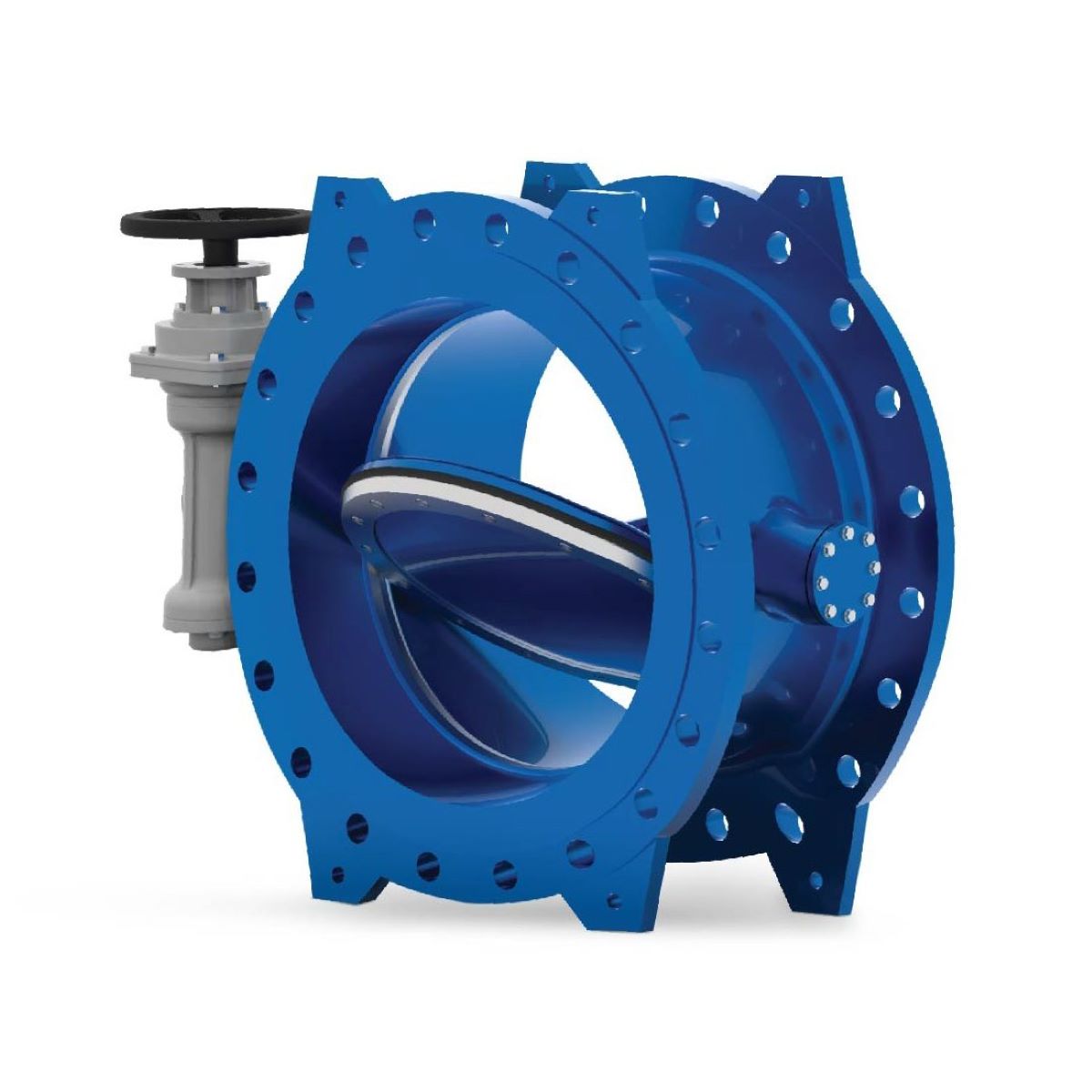
1.Butterfly Valves — The All-Rounder for Big Pipelines
Butterfly valves are simple, lightweight, and ideal for large-diameter, low-pressure wastewater pipelines.
Their disc rotates 90 degrees to regulate flow, offering fast operation and large flow capacity. These valves naturally handle media containing particles, making them suitable for primary treatment and circulation systems. Because their structure has fewer components and less dead space, butterfly valves also reduce the chance of solid buildup and minimize maintenance requirements.
In chemical wastewater treatment, butterfly valves are frequently used in:
- FGD (desulfurization) liquid circulation pipelines
- main wastewater inlets and outlets
- aeration air supply lines
- sludge recirculation zones where large volumes flow continuously
High-performance butterfly valves (double-eccentric or triple-eccentric) offer better sealing and durability when corrosion or pressure demands rise.
2.Ball Valves — When You Need Tight Sealing
Ball valves provide one of the best sealing performances in wastewater systems.
Their spherical closure element creates a smooth and full-bore pathway, allowing chemical wastewater containing solids to pass without clogging. The valve’s rapid open/close action is ideal for emergency isolation and automated systems. Because the internal cavity is smooth, wear is minimized even with abrasive particles.
Ball valves shine in scenarios such as:
- chemical dosing pipelines (acids, alkalis, oxidizers)
- sludge transfer lines
- ammonia/urea injection systems in denitrification units
- pump outlet isolation where fast shutoff is critical
Their robustness, sealing reliability, and automation compatibility make them one of the most valuable valves in advanced treatment stages.
3.Gate Valves — For Full-Open or Full-Close Work
Gate valves are designed for one purpose: complete isolation.
With a vertically lifting gate plate, they offer extremely low flow resistance when fully opened. Their sealing surfaces stay out of the direct flow path, reducing long-term erosion. Because they operate slowly and require sufficient installation space, gate valves are not suitable for frequent adjustment or throttling.
However, they excel in:
- large-diameter inlet and outlet pipelines
- low-pressure distribution networks
- sedimentation tank outlets
- systems requiring long-term steady open/closed status
Their durability and simplicity make them a staple in major chemical wastewater lines.
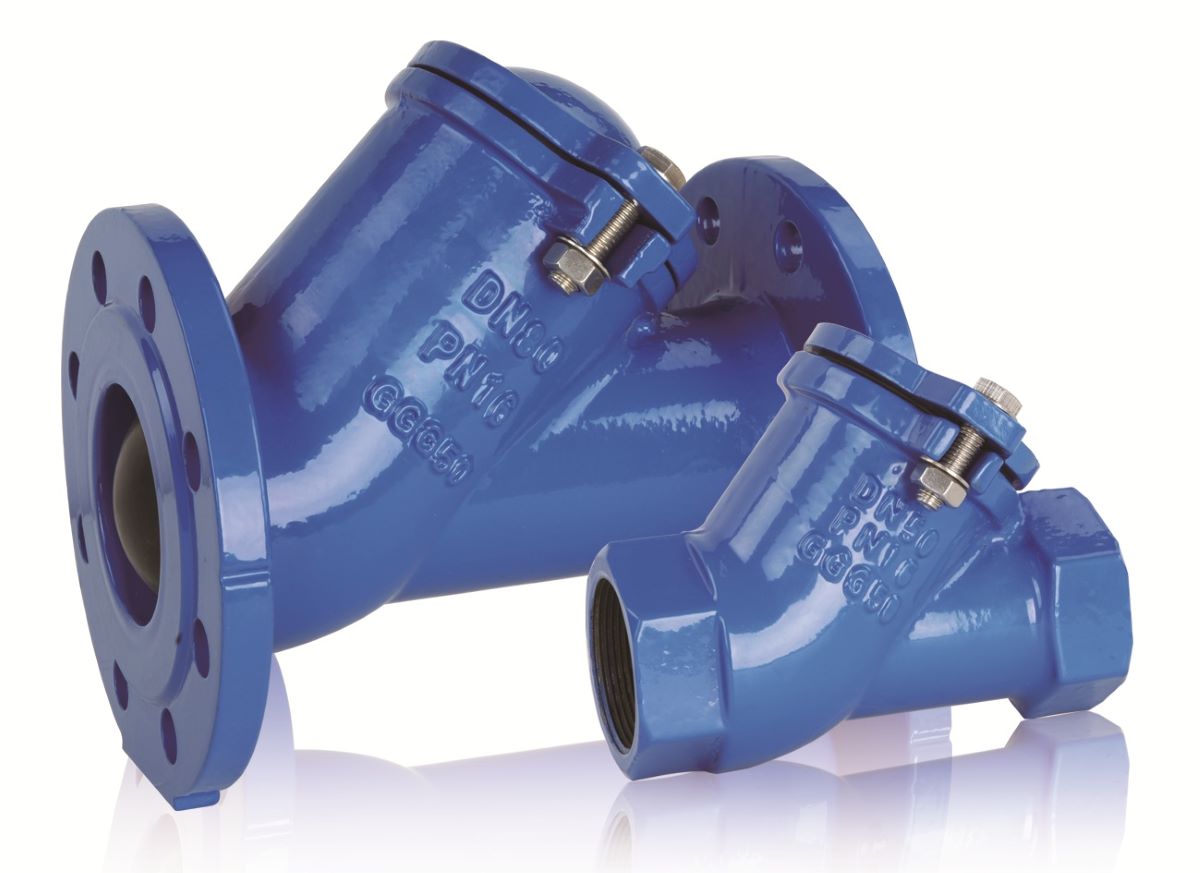
4.Check Valves — The Silent Protector
Check valves prevent backflow automatically. No manual or electric control needed.
In chemical wastewater plants, backflow can cause damage to pumps, introduce contaminants into clean lines, or trigger chemical reactions in wrong places. Check valves ensure unidirectional flow and protect equipment.
Common placement includes:
- pump discharge outlets
- sludge lift pumps
- chemical feed systems
- circulation loops in FGD/denitrification processes
Even though small and simple, check valves play a critical role in system safety.
How to Match Valve Types to Your Treatment Needs
Below is a combined short-long style explanation to highlight both quick guidance and in-depth reasoning.
If the pipeline is large-diameter and carries suspended solids — choose butterfly valves.
They offer the best combination of cost, durability, and flow capacity.
If sealing is critical or the fluid is chemically aggressive — choose ball valves.
They handle corrosive and abrasive media exceptionally well.
If the pipeline needs simple on/off control — choose gate valves.
They isolate large sections with minimal pressure loss.
If you need to prevent reverse flow — choose check valves.
Every pump discharge line should have one.
More detailed considerations include:
- corrosive media → stainless steel, duplex steel, PTFE-lined valves
- abrasive media → rubber-lined or full-bore valve designs
- automated operation → ball valves or high-performance butterfly valves
- tight spaces → butterfly valves due to compact design
This layered approach ensures that different readers—engineers or general readers—can quickly understand the logic and then dive deeper if needed.
Conclusion
Chemical wastewater treatment places unique requirements on valves, demanding durability, corrosion resistance, and reliable sealing under harsh conditions. By combining an understanding of wastewater characteristics with proper valve selection—whether butterfly, ball, gate, or check valves—engineers can significantly enhance system performance and reduce operational risks.
Post time: Dec-05-2025