

Check valves play a critical role in industrial piping systems by preventing reverse flow and maintaining stable operating conditions across pumps, compressors, and downstream equipment. Although structurally simple, they face constant exposure to high pressure, temperature changes, corrosive media, and particulate matter. Over time, these factors can introduce mechanical wear or operational instability, leading to performance issues or system downtime. Understanding these common failure modes—and how to troubleshoot them effectively—helps operators maintain system reliability and prevent costly interruptions.
Internal Leakage: Valve Fails to Fully Close
Internal leakage is one of the most frequently encountered problems in check valves. It occurs when the disc cannot seal tightly against the seat, allowing reverse flow even when the valve should be closed. This issue may cause pressure fluctuations, pump reverse rotation, or contamination, depending on the system’s application.
Common Causes
- Worn disc or seat: Erosion, corrosion, or long-term use damages sealing surfaces.
- Foreign particles stuck between sealing surfaces: Rust flakes, slag, scale, or solids prevent tight closure.
- Spring fatigue or breakage: In spring-loaded designs, loss of elasticity reduces the closing force.
Solutions
- Disassemble the valve and clean all foreign materials.
- Re-lap or replace worn sealing components.
- Replace damaged or fatigued springs.
Large systems with abrasive or corrosive media benefit from regular inspection, as early-stage surface damage often remains unnoticed until internal leakage becomes significant.
Valve Cannot Open Smoothly (Sticking or Blocking)
A check valve that fails to open disrupts forward flow, increases pump load, and causes pressure buildup. This failure mode usually develops gradually, making it important to catch early symptoms such as reduced flow rate or abnormal pressure readings.
Common Causes
- Debris buildup: Sediment or corrosion blocks the movement of the disc or hinge.
- Corroded hinges or pins: Oxidation increases friction and prevents smooth movement.
- Incorrect installation direction: A reversed valve cannot open in the intended flow direction.
Solutions
- Clean the internal components and remove debris or scale.
- Lubricate hinge pins and moving parts.
- Reinstall the valve according to the flow direction arrow.
In environments that frequently generate rust or scaling, adding upstream filtration or routine lubrication can significantly reduce sticking problems.
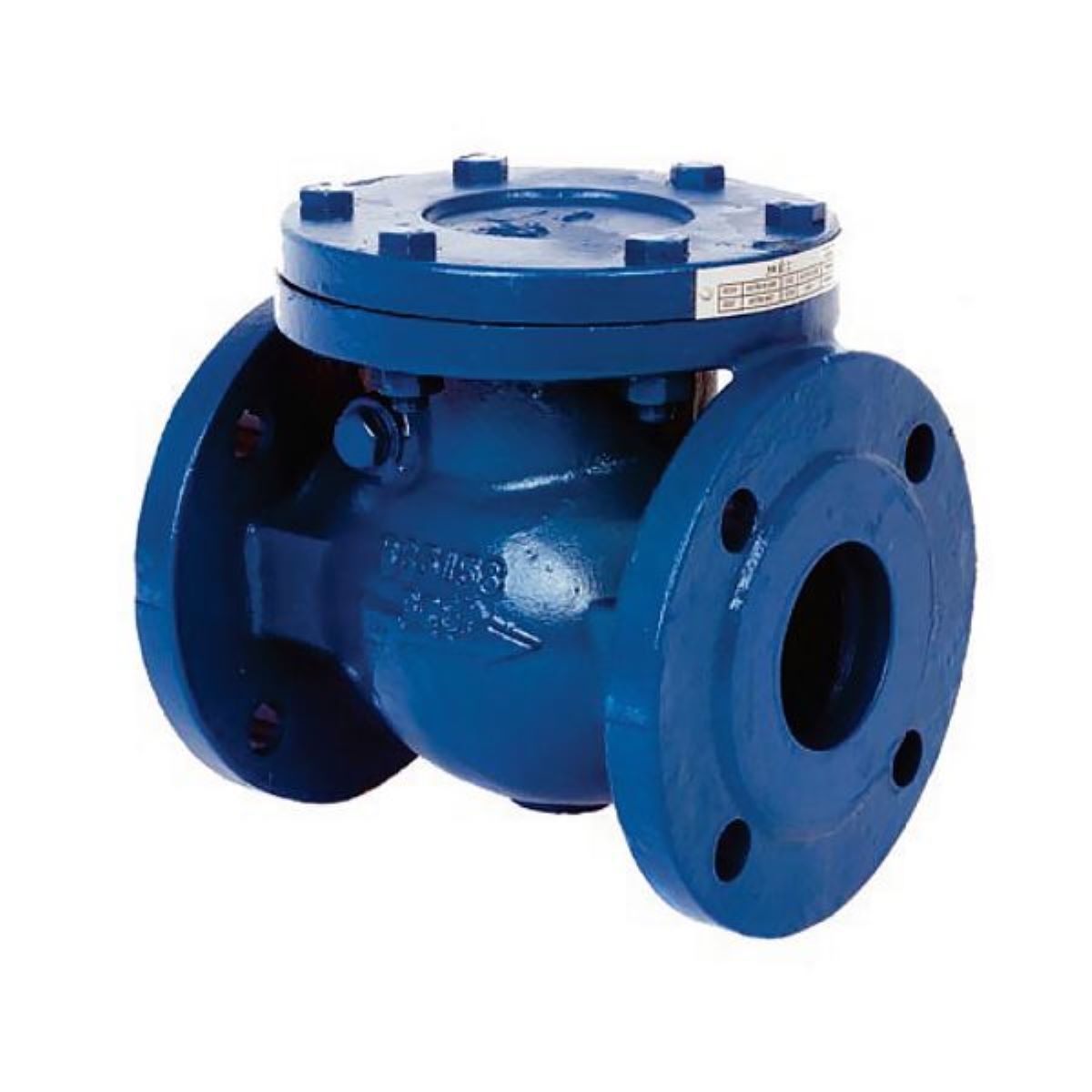
Excessive Vibration or Unusual Noise
Some check valves may begin vibrating, chattering, or producing repetitive banging sounds during operation. While noise itself may not indicate immediate failure, the mechanical stress caused by vibration can damage the valve, pipeline, or supporting structures over time.
Common Causes
- High flow velocity: The disc oscillates rapidly, causing fluttering.
- Incorrect valve sizing: A small valve installed in a high-flow line becomes unstable.
- Insufficient pipeline support: Loose or flexible supports amplify vibration.
Solutions
- Reduce flow velocity by adjusting pump output or using throttling components.
- Replace the valve with a properly sized or slow-closing model.
- Add or reinforce supports near the valve.
Switching to silent or spring-assisted check valves is an effective way to prevent fluttering in systems with fluctuating flow conditions.
External Leakage from the Valve Body or Connection Points
While internal leakage is hidden and often discovered through performance issues, external leakage is visible and immediately concerning. Leaks may appear around flanges, threaded joints, or the valve body itself.
Common Causes
- Aging or damaged gasket: High heat, pressure, or long service life causes gasket hardening or cracking.
- Loose flange bolts: Vibration or thermal cycling leads to uneven compression.
- Cracked valve body: Manufacturing defects, corrosion, or mechanical impact cause structural failure.
Solutions
- Replace compromised gaskets with materials suitable for the service environment.
- Re-tighten bolts using proper torque sequence and values.
- Replace cracked valve bodies immediately.
Because external leakage often indicates misalignment or stress in the pipeline, it’s beneficial to inspect the surrounding supports after repairs.
Sluggish Valve Response (Slow Opening or Closing)
Check valves should respond almost instantly to changes in flow direction. When response time slows, the system becomes prone to temporary backflow or water hammer. These effects can strain pumps and other components.
Common Causes
- High-viscosity media: Fluids like oils or slurries reduce disc mobility.
- Worn hinges or guiding components: Increased friction slows movement.
Solutions
- Use valve types designed for viscous media, such as ball or rotary check valves.
- Lubricate components regularly or replace heavily worn parts.
A preventive maintenance routine—especially in systems handling thick fluids—helps maintain consistent valve responsiveness.
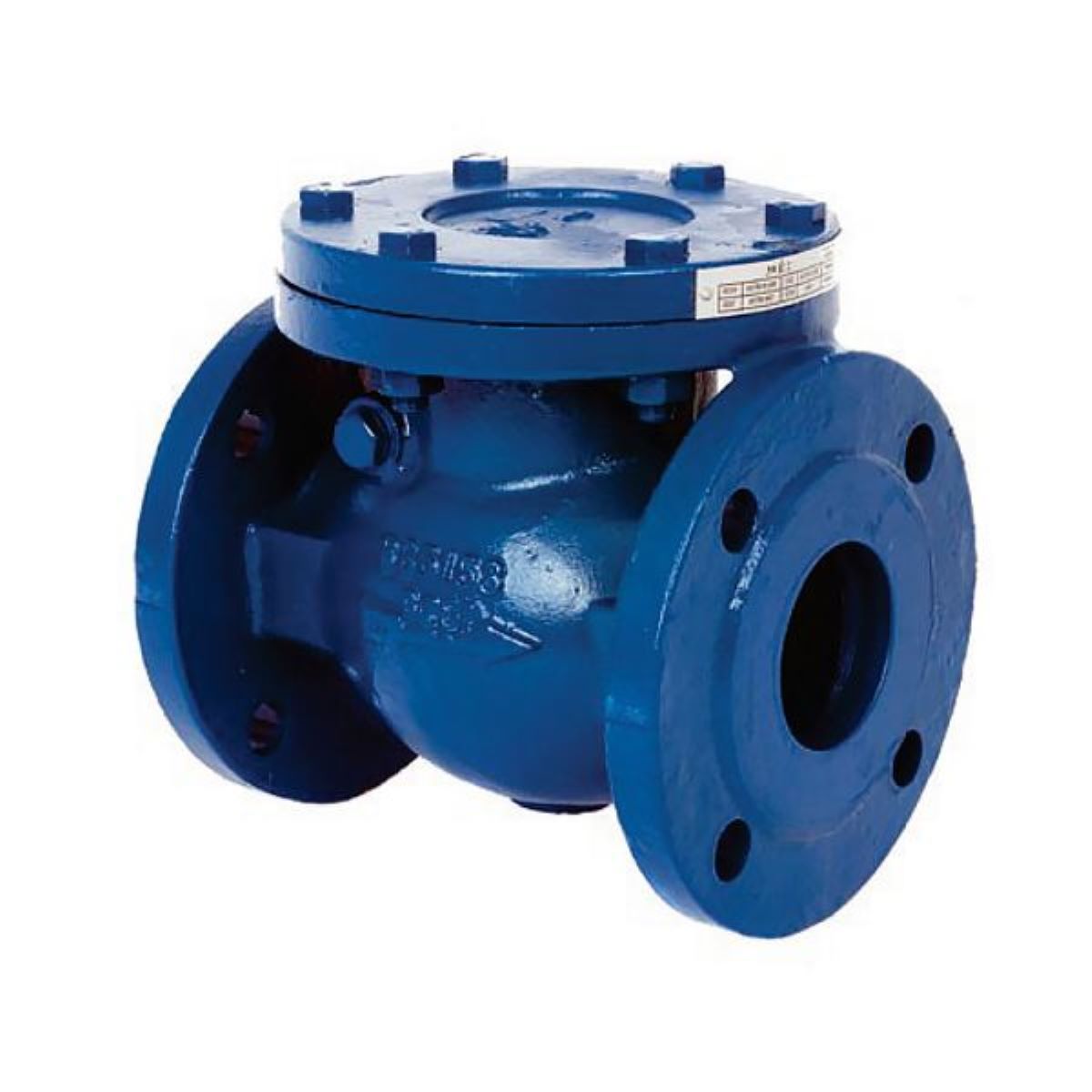
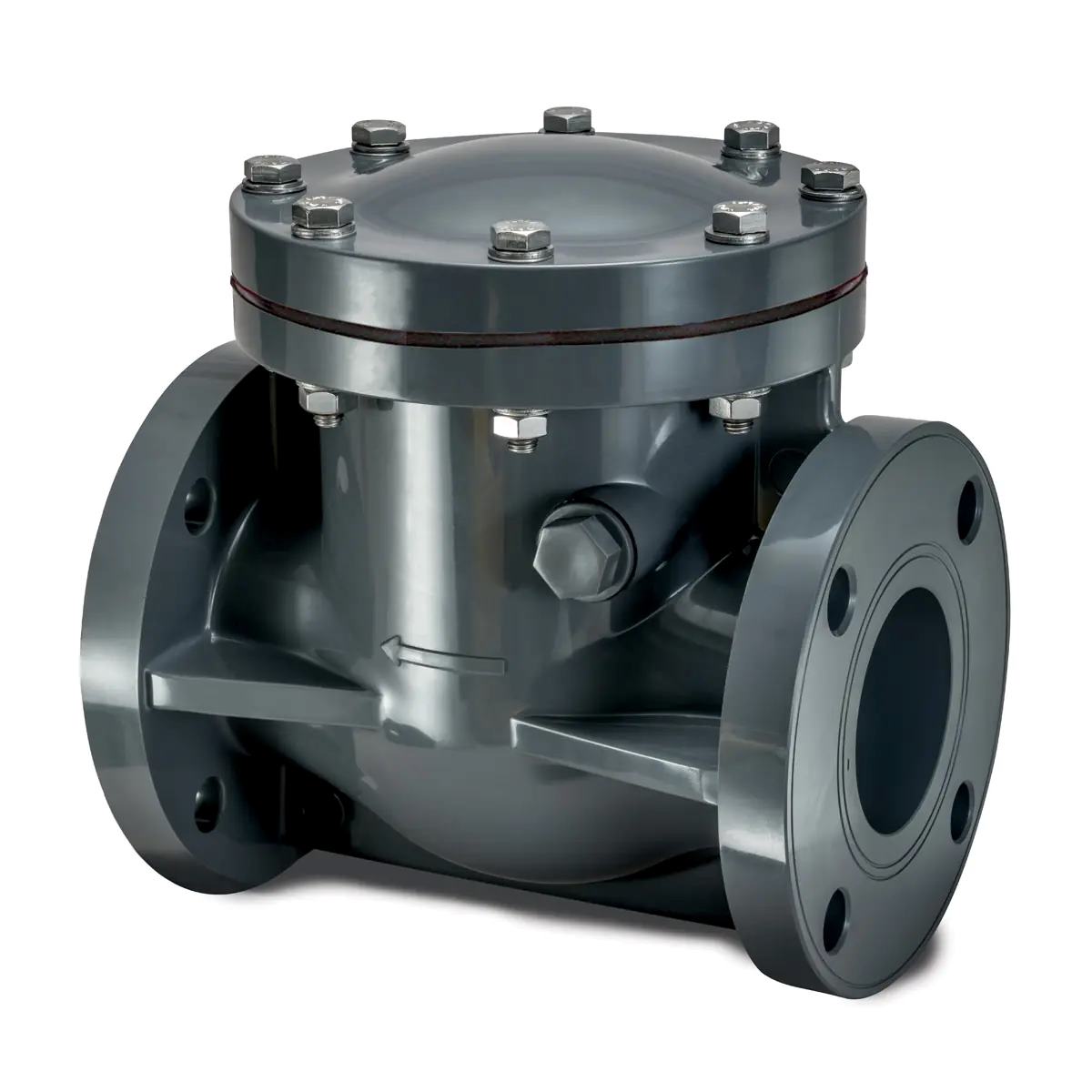
Best Practices to Prevent Future Failures
Beyond troubleshooting immediate problems, preventive measures significantly improve long-term valve performance. Proper installation ensures the valve operates according to design, reducing early-stage failures. Routine inspection helps identify warning signs such as corrosion, wear, or abnormal movement. Using strainers or filters reduces debris-related issues. Maintaining optimal flow conditions—avoiding excessive velocity or pressure spikes—also extends valve service life. Documenting inspection results and repair history provides valuable insights into system behavior and helps predict future maintenance needs.
Conclusion
Although check valves are relatively simple mechanical devices, their reliable performance is essential for ensuring stable and safe operation across a wide range of industrial systems. Knowing how to identify common issues—such as internal leakage, disc blockage, vibration, external leakage, and sluggish response—allows operators to troubleshoot problems quickly and apply effective corrective actions. When combined with proper installation, regular maintenance, and thoughtful system design, these solutions help maximize valve lifespan and reduce costly downtime. By adopting a proactive approach to valve management, facilities can greatly improve operational reliability and overall system performance.
Post time: Dec-01-2025