

Summary: Rising stem vs non-rising stem gate valves—what sets them apart? Learn the real differences in design, space, maintenance, and how to pick the right one for your project.
Rising Stem vs Non-Rising Stem Gate Valves – What’s the Difference?
Ever been on a job site where a valve just… doesn‘t fit?
You ordered the right size, the right pressure rating, the right flange type. But when you go to install it, the overhead clearance isn’t enough. The valve goes in, but you can‘t fully open it because the stem hits the ceiling. Or worse—you install it, close the lid, and later realize you can’t even turn the handwheel because there‘s no room.
Or maybe you’ve had the opposite problem. A valve that worked fine for a year suddenly won‘t budge. You put a wrench on it, lean into it, maybe even add a cheater bar—and it still won’t turn. What went wrong?
Chances are, someone picked the wrong type of gate valve.
Two Valves, One Job – But Very Different Designs
Gate valves do one thing: they start or stop flow. Inside, a gate (a flat or wedge-shaped disc) moves up and down to block or open the passage. So far, so simple.
But here‘s where it gets interesting. The real difference between the two main types of gate valves isn’t in the gate—it‘s in the stem. And that one difference changes everything: how much space you need, whether you can tell the valve is open or closed just by looking at it, and how easy it is to keep the valve working.
Let’s break down the two designs.
Rising Stem Gate Valves – The “See-Through” Valve
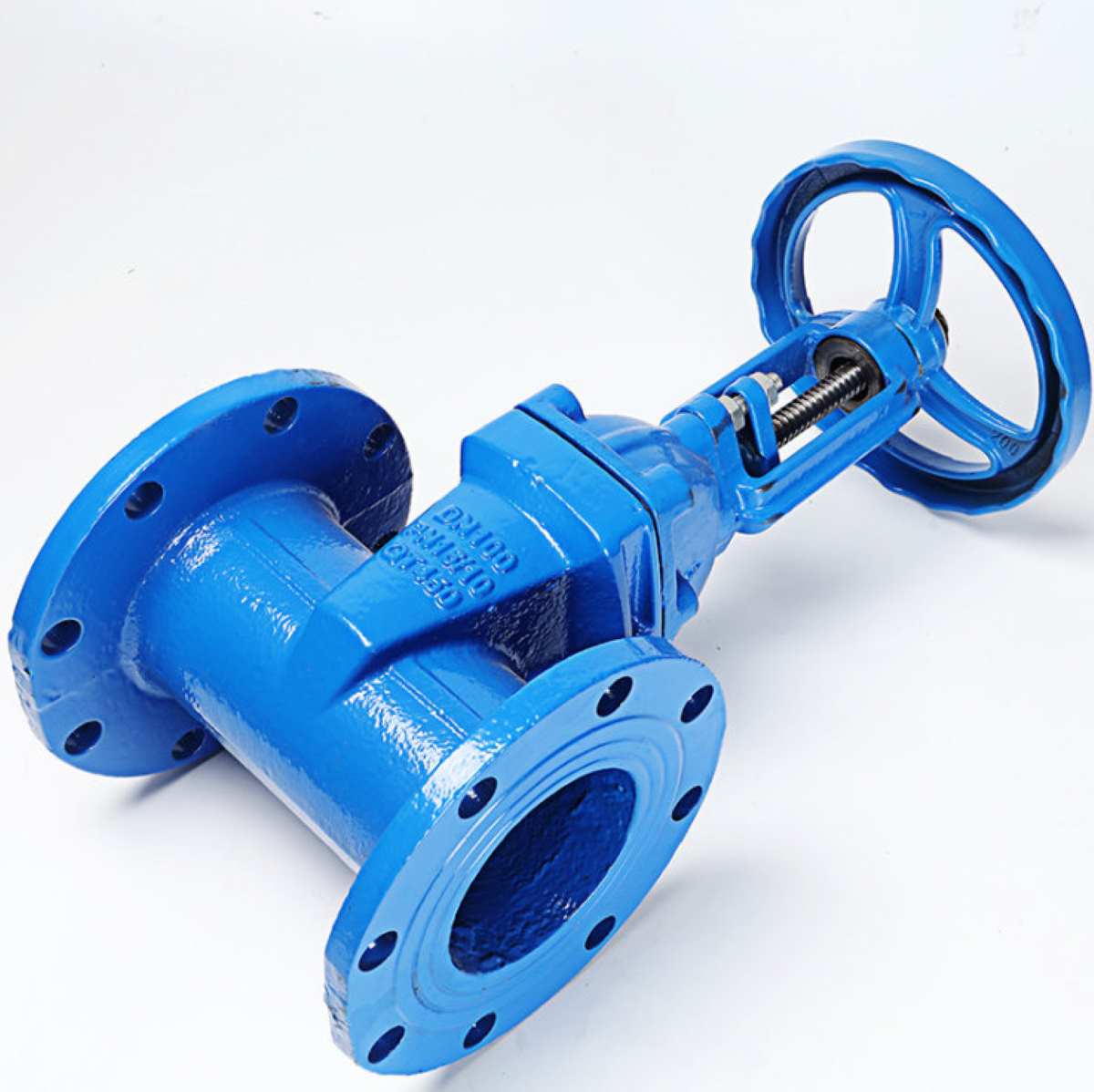
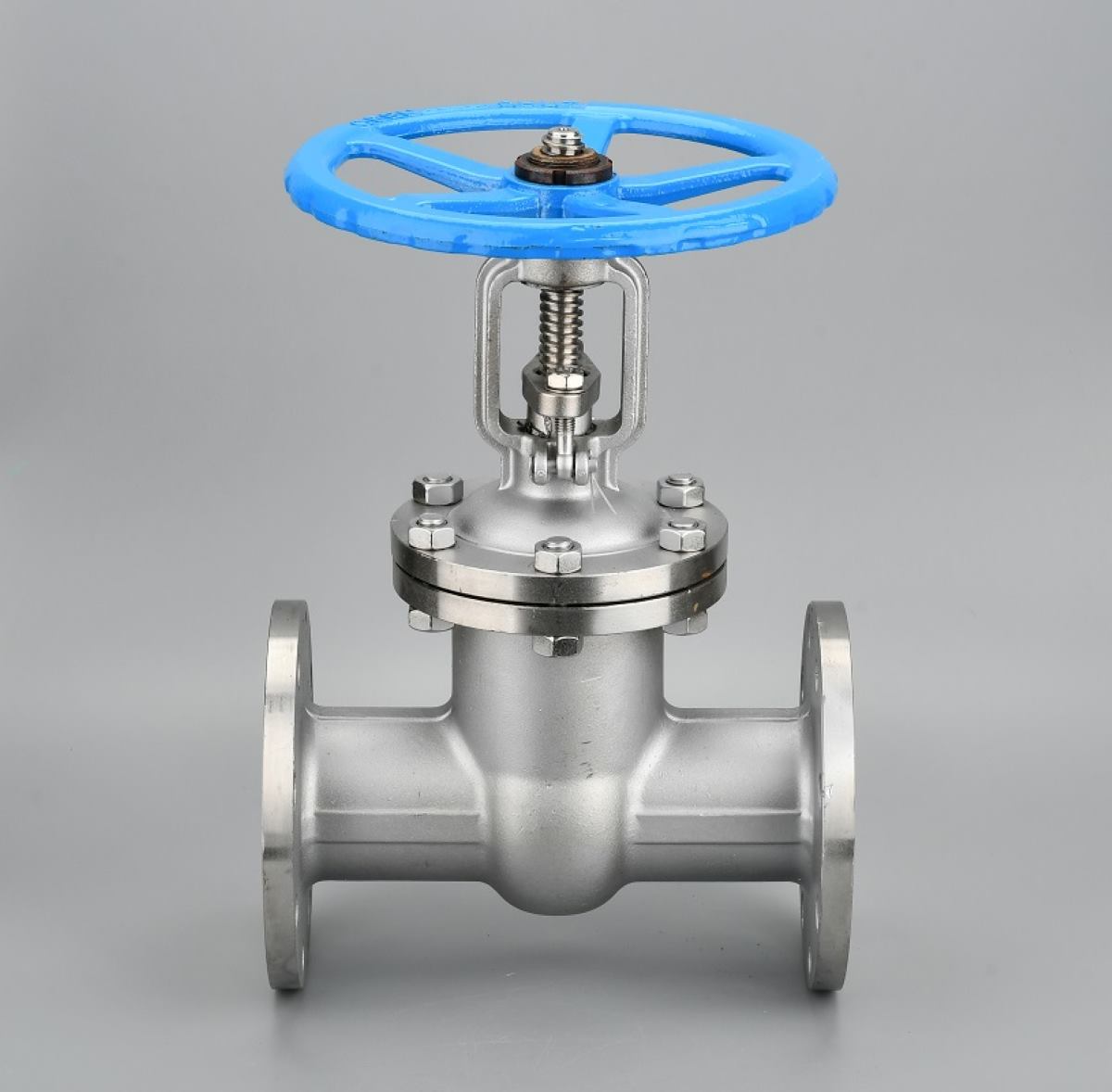
A rising stem gate valve—sometimes called an OS&Y (Outside Screw and Yoke)—has a stem that sits outside the valve body. When you turn the handwheel, the stem moves up and down with the gate. Open the valve, and the stem rises like a flagpole. Close it, and the stem drops back down.
The threads on the stem are out in the open, above the packing. They never touch the fluid flowing through the pipe.
What‘s great about it:
- You can see the valve’s position from across the room. Stem up = open. Stem down = closed. No guessing, no counting turns, no second-guessing.
- Maintenance is easy. The threads are right there. You can lubricate them, clean them, inspect them—without taking anything apart.
- It handles dirty fluids better. Since the threads never contact the medium, sand, sediment, or corrosive chemicals won‘t chew them up. That’s why you see rising stem valves everywhere in wastewater treatment, chemical plants, and fire protection systems.
What‘s not so great:
- It needs vertical clearance. When fully open, the stem can rise 10 cm or more. If you’re installing in a tight valve pit, an underground chamber, or anywhere with a low ceiling, it might not fit.
Non-Rising Stem Gate Valves – The Space Saver
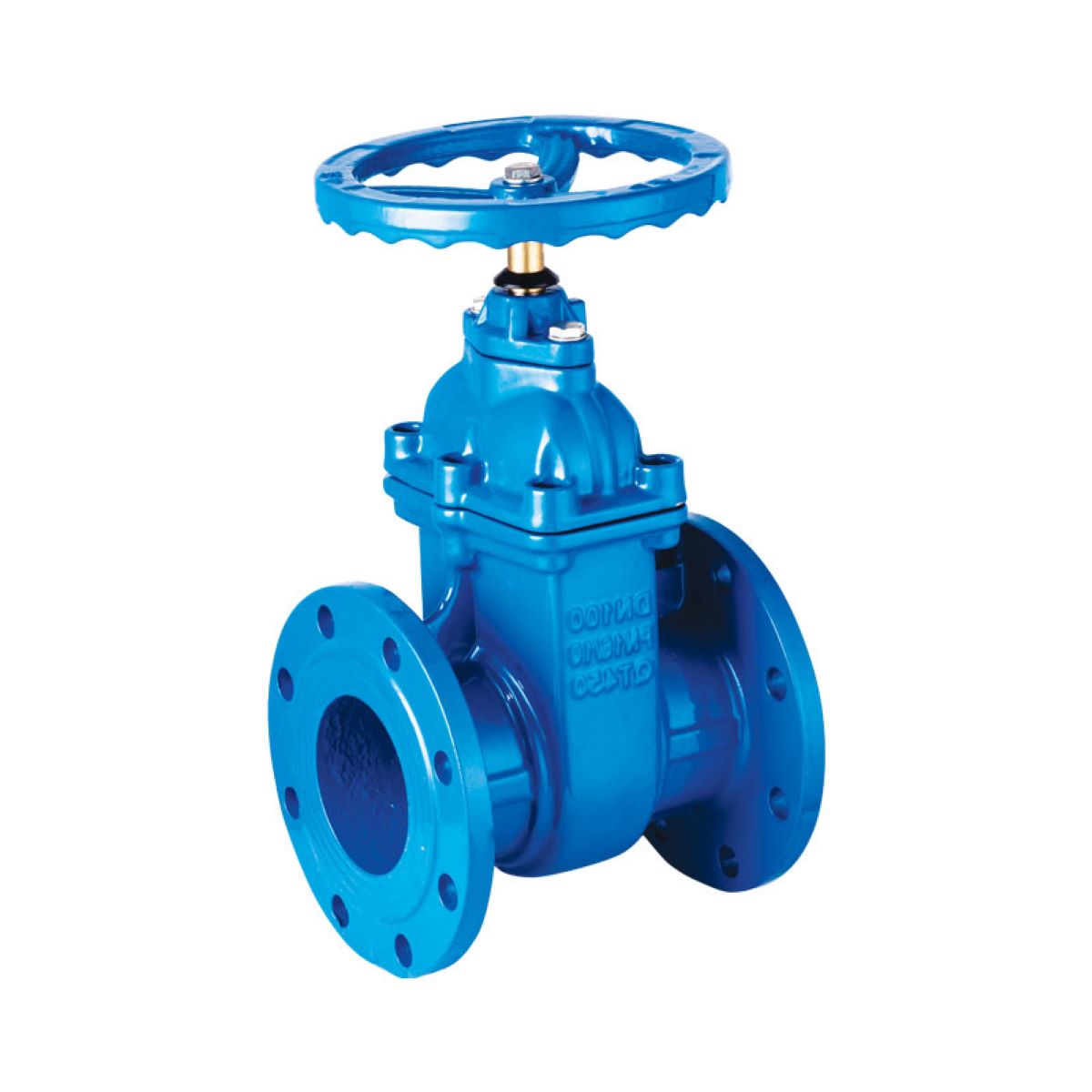
A non-rising stem gate valve (NRS) keeps its stem hidden inside the body. When you turn the handwheel, the stem rotates in place—it doesn‘t go up or down. Instead, internal threads move the gate along the stem.
From the outside, the valve looks exactly the same whether it’s open or closed.
What‘s great about it:
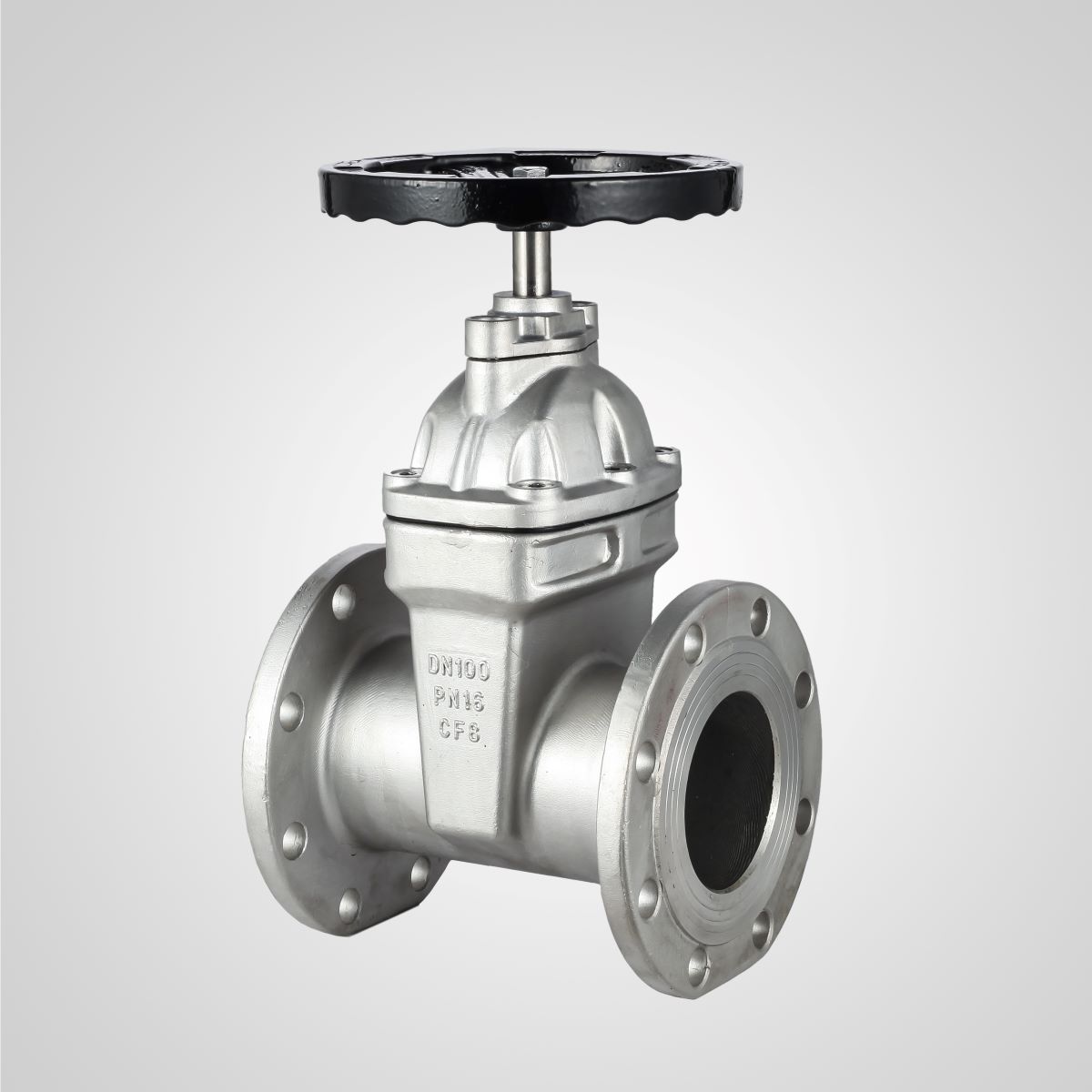
- It’s compact. The overall height never changes. That‘s why you’ll find non-rising stem valves almost everywhere under manhole covers. They‘re the default choice for underground pipelines, valve pits, and any place where space is tight.
What’s not so great:
- No visual position indication. You can‘t tell if it’s open or closed just by looking. You have to count turns, use an external indicator, or just go by feel. In a busy job site with multiple operators, that can lead to mistakes.
- Threads are inside, bathed in the fluid. If you‘re moving clean water, no problem. But if the fluid has sand, sediment, or chemicals, those internal threads will corrode and wear. You can’t lubricate them without disassembling the valve. Many people have had this experience: the valve turns smooth when new, but a couple of years later, you can barely move the handwheel.
The Four Real Differences That Actually Matter
Let‘s skip the textbook stuff and get to what matters on the job.
1. Space – The Deal-Breaker
This is the one decision that’s non-negotiable. If you don‘t have overhead clearance, you can’t use a rising stem valve. Period.
A rising stem needs room to grow. Fully open, that stem sticks up—sometimes a lot. If you‘re installing in a manhole or a tight equipment room, measure twice. A non-rising stem doesn’t change height at all, so it fits anywhere.
2. Visual Status – See It or Guess It
If you need to know at a glance whether a valve is open or closed—and in safety-critical systems like fire protection, that‘s a requirement—rising stem is the clear winner.
With non-rising, you need a system: a turn counter, a position indicator, or strict operating logs. And if multiple people operate the same valve, that system needs to be foolproof. Because when someone guesses wrong, the consequences can be serious.
3. Thread Protection – The Long-Term Reliability Factor
This is where rising stem valves really earn their keep. The threads are outside, so they never see the fluid. In dirty water, sewage, or chemical service, that’s a huge advantage. The valve keeps turning smoothly for years.
Non-rising stem valves have their threads inside, right in the flow. In clean water, they‘re fine. But in abrasive or corrosive media, those threads will wear. You’ll feel it—the handwheel gets heavier and heavier. And you can‘t do much about it because the threads are inaccessible. Eventually, the valve seizes up entirely.
4. Maintenance – Easy Grease vs. Major Surgery
With a rising stem valve, maintenance is a five-minute job. Walk up, grease the threads, inspect for wear, move on.
With a non-rising stem valve, if the stem seizes, you’re looking at a major repair or full replacement. You can‘t lubricate what you can’t reach.
Frequently Asked Questions
Q: Can I use a non-rising stem valve in a wastewater application?
You can, but it‘s not recommended. The internal threads will be exposed to abrasive and corrosive media, leading to premature wear and eventual seizure. A rising stem valve with protected threads is the better choice for dirty water.
Q: Why does my non-rising stem valve get harder to turn over time?
Because the internal threads are in contact with the fluid. Over time, debris, sediment, or corrosion builds up on the threads, increasing friction. Since you can’t lubricate them without disassembly, the resistance gradually increases until the valve won‘t turn at all.
Q: Is a rising stem valve required for fire protection systems?
Yes—NFPA (National Fire Protection Association) standards typically require OS&Y (rising stem) gate valves for fire systems. The visual indication allows firefighters and inspectors to instantly confirm valve status.
Q: How much clearance does a rising stem valve need?
That depends on the valve size and stroke length. As a rule of thumb, the stem extends roughly the same distance as the pipe diameter when fully open. For a 6-inch valve, expect the stem to rise about 6 inches (15 cm). Always check the manufacturer’s dimensions before installation.
Q: Can I convert a non-rising stem valve to a rising stem valve?
No—the bodies and internal components are completely different. You can‘t convert one to the other. If space permits, you can replace it with a rising stem valve, but you’ll need to verify clearance first.
Final Thought
Gate valves aren‘t complicated. But picking the right one? That’s where experience matters. It‘s not about which valve is “better.” It’s about which valve fits your site, your fluid, and your operating needs.
Get it right, and your gate valve will do its job quietly for years. Get it wrong, and you‘ll be dealing with a valve that doesn’t fit, can‘t be turned, or fails when you need it most.
Now you know what to look for. The choice is yours.
Post time: Aug-05-2026